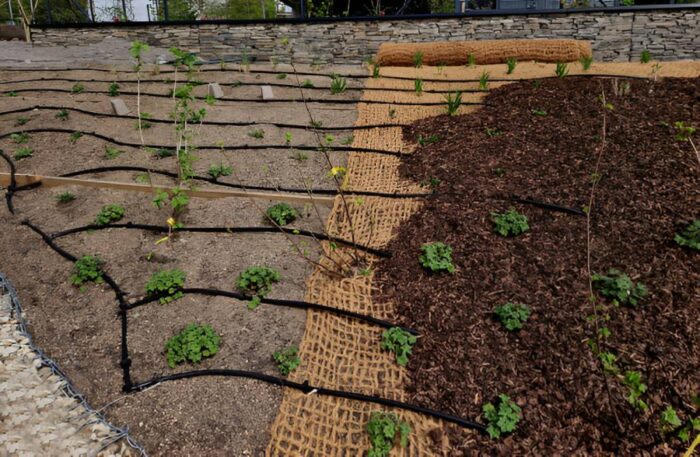
Biodegradable Coir Fabric Geotextiles: A Green Solution for a Sustainable Future and Nature’s Blanket for the Earth!
Passaro International, based in Chennai, India, proudly offers Biodegradable Coir Fabric Geotextiles in bulk. These eco-friendly, natural fibers are more than just a sustainable alternative to synthetic materials—they’re a vital step toward preserving our planet while enhancing the longevity of projects that benefit both nature and society. Made from coconut husks, coir has been used for centuries in a variety of applications, from crafting mats to reinforcing the soil in gardens. Now, coir’s versatility has expanded to the world of geotextiles, providing a biodegradable solution that’s as functional as it is environmentally responsible.
What Are Biodegradable Coir Fabric Geotextiles?
Biodegradable Coir Fabric Geotextiles are made from coir—a natural fiber extracted from the outer husk of coconuts. These fibers are tightly woven into a durable, flexible fabric that serves various geotechnical and environmental purposes. Unlike synthetic geotextiles made from polymers and plastics, coir geotextiles are completely biodegradable. Over time, they naturally break down and return to the earth, leaving no harmful residues behind.
Coir fabric has a unique set of characteristics that make it ideal for several applications. It provides soil stabilization, erosion control, drainage enhancement, and even supports vegetation growth, all while being 100% biodegradable. Now, that’s what we call a win-win!
The Eco-Friendly Benefits of Coir Fabric
In today’s fast-paced world, sustainability has become a necessity, not just a trend. The world is looking for ways to reduce its environmental impact, and Biodegradable Coir Fabric Geotextiles are a step in the right direction. But why is coir so eco-friendly?
- Natural and Renewable
Coir is a renewable resource, harvested from the coconut husk, which is typically discarded as waste. By turning this by-product into geotextiles, we’re utilizing a material that would otherwise go unused. This closed-loop process makes coir not only sustainable but also economical. The fact that it’s biodegradable means it won’t leave any lasting footprint in the environment. - Carbon Footprint Reduction
Unlike synthetic materials, coir has a very low carbon footprint. Growing coconuts absorbs carbon dioxide, and coir production uses very little energy compared to synthetic fiber production. In addition, during the breakdown of the geotextile, coir slowly decomposes, enriching the soil rather than releasing harmful chemicals. - No Harmful Chemicals
Coir fabric doesn’t contain any toxic chemicals or non-biodegradable substances that could harm the soil or waterways. This makes it an excellent choice for agriculture, landscaping, and construction projects that aim to preserve the environment. - Encourages Sustainable Practices
When you choose Biodegradable Coir Fabric Geotextiles, you’re not just making a responsible choice for the environment; you’re supporting an industry that promotes sustainable agricultural practices. Coir is grown without harmful pesticides or chemicals, making it an organic choice from start to finish.
Where Can You Use Biodegradable Coir Fabric Geotextiles?
You’ll find Biodegradable Coir Fabric Geotextiles in all sorts of applications, from residential landscaping to large-scale civil engineering projects. Its versatility makes it suitable for a wide range of uses.
1. Erosion Control
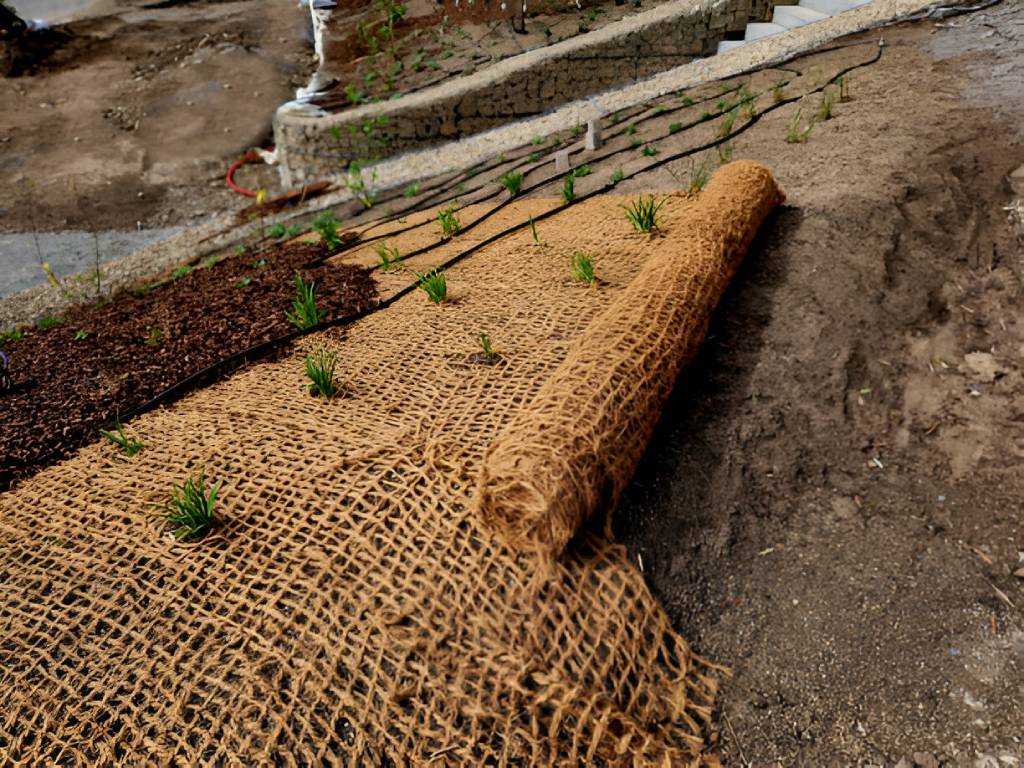
Soil erosion is a common challenge in both agricultural and construction projects. Wind and water can wash away valuable topsoil, leaving behind barren patches of land. Coir fabric, thanks to its sturdy nature, is an excellent solution to prevent this. It can be laid down on slopes, riverbanks, or coastal areas, where it works to hold the soil together and reduce erosion.
Over time, as the coir biodegrades, it naturally enriches the soil with organic material, improving soil fertility and promoting healthy plant growth.
2. Soil Stabilization
Whether it’s for roads, embankments, or construction sites, Biodegradable Coir Fabric Geotextiles help stabilize the soil. The fabric acts as a barrier, preventing the soil from shifting or becoming unstable under pressure. It’s an effective solution for projects where soil stability is essential, especially in areas that face heavy rainfall or other environmental challenges.
Think of it as giving your soil a firm handshake—it keeps everything in place, even during the most demanding conditions.
3. Vegetation Support
Coir fabric supports plant growth by providing a stable environment for roots to take hold. It helps retain moisture and ensures that plants get the nutrients they need without soil erosion disrupting their growth. Whether you’re planting grass, shrubs, or flowers, coir fabric ensures they get the best start possible.
The fabric’s ability to retain water helps reduce the need for frequent irrigation, making it a water-conserving solution that benefits both plants and the environment.
4. Drainage Enhancement
Coir fabric is highly permeable, meaning it allows water to flow through it while keeping soil particles in place. This makes it an excellent choice for improving drainage in construction projects, such as roads, railways, or landscaping. The fabric helps manage water runoff, preventing flooding and waterlogging in critical areas.
5. Coastal and Riverbank Protection
Coastal and riverbank erosion is a pressing environmental issue. By placing coir geotextiles along these vulnerable areas, we can reduce the impact of wave and river action, protecting not only the land but also the biodiversity in those regions. Over time, the fabric biodegrades, leaving behind a more stable, healthier environment.
How Does Biodegradable Coir Fabric Geotextiles Work?
Coir fabric’s secret lies in its structure. The interwoven fibers create a robust material that is both durable and flexible, allowing it to hold up against environmental stress while also being gentle on the earth.
- Moisture Retention
The unique texture of coir helps it hold moisture, which is crucial in preventing soil from drying out. For agricultural applications, this moisture retention aids in keeping the soil moist, reducing the need for frequent watering. - Air Permeability
Despite being a durable material, coir is highly breathable. This ensures that soil underneath doesn’t suffocate and continues to thrive. It encourages healthy root growth by allowing air and water to circulate freely. - Natural Degradation
One of the best features of coir fabric is its ability to break down naturally over time. Unlike synthetic fabrics, which can take centuries to decompose and leave harmful residues behind, coir geotextiles break down gradually and release nutrients back into the soil, enriching the environment.
Product Specifications of Biodegradable Coir Fabric Geotextiles
When it comes to purchasing Biodegradable Coir Fabric Geotextiles, Passaro International offers high-quality, government-certified coir fabric in bulk. Here are the key specifications:
- Material: 100% Coir (coconut husk)
- Durability: Strong yet flexible, suitable for various environmental conditions
- Sizes Available: Customizable to meet your project’s requirements (length, width, thickness)
- Strength: High tensile strength, tear-resistant
- Water Retention: Excellent moisture retention for agricultural applications
- Biodegradation Time: Breaks down naturally in 1–3 years, depending on environmental factors
- Color: Natural brown color of coir, which blends naturally with the environment
- Weight: Varies based on size and thickness, available upon request
Easy Installation and Maintenance
Installing Biodegradable Coir Fabric Geotextiles is a breeze. Whether you’re covering a small garden slope or working on a large construction site, coir fabric is easy to handle and lay down. It can be anchored with stakes, nails, or weights, and it molds to the terrain, making installation quick and efficient.
Once laid down, coir fabric doesn’t require constant maintenance. Over time, as the material breaks down, it leaves behind a rich layer of organic matter that further improves soil quality. Unlike synthetic alternatives, there’s no need for regular replacement, making it a cost-effective and long-lasting solution.
Sustainable Infrastructure
By opting for Biodegradable Coir Fabric Geotextiles, you’re not just investing in a product; you’re supporting a movement toward sustainable infrastructure. More and more civil engineering and agricultural projects are embracing green alternatives that reduce environmental impact, and coir fabric is at the forefront of this shift.
At Passaro International, we’re committed to providing products that help create a sustainable, eco-friendly future. Our Biodegradable Coir Fabric Geotextiles are designed with the planet in mind, helping you build greener, cleaner projects that stand the test of time—without leaving behind a trail of plastic waste.
Why Choose Passaro International?
- Reliable Supplier: Based in Chennai, India, we are a trusted name in the industry for delivering high-quality biodegradable products.
- Eco-Friendly Commitment: Our products are sourced from renewable resources, ensuring minimal environmental impact.
- Customizable Options: We offer a wide range of sizes and strengths to suit your project’s specific needs.
- Government-Certified: All our products are certified to meet international quality standards, ensuring top-notch performance.
Where Can You Use Biodegradable Coir Fabric Geotextiles?
- Riverbanks and Canal Sides: Prevent soil from sliding into water.
- Road Embankments: Strengthen the sides of roads, especially during monsoons.
- Hilly Terrains: Stop landslides in their muddy tracks.
- Desertification Zones: Bring dry lands back to life by trapping moisture.
- Golf Courses and Parks: Keep grass roots protected while growing.
- Home Gardens: Protect your sloped backyard with a green touch.
Earthy Benefits That Make You Smile 🌱
- 100% Natural & Eco-Friendly: Say goodbye to synthetic plastic nets.
- Biodegradable: After 2–5 years, it quietly returns to the soil.
- Excellent Moisture Retention: Great for growing grass and native plants.
- Soil Stabilization: Locks soil in place like a coconut-y hug.
- UV Resistant: Handles sun like a tropical champ.
- Cost-Effective: Saves the earth AND your budget.
How It’s Made – Biodegradable Coir Fabric Geotextiles
- Husk Collection: Husk is removed from mature coconuts.
- Retting Process: Fibers are softened in water for 2–3 months.
- Extraction: Fibers are separated, cleaned, and dried.
- Spinning: The dried fibers are spun into yarn.
- Weaving: Yarn is woven into mats or nets using handlooms or power looms.
- Finishing Touch: Rolled, packed, and ready to be shipped worldwide.
All steps use low-energy, low-impact techniques. Mother Nature would approve.
Different Types of Biodegradable Coir Fabric Geotextiles
- Woven Coir Mats (400 GSM to 900 GSM): For slopes and steep banks.
- Non-Woven Coir Needlepunch Felt: For landscaping and seedbeds.
- Coir Logs: Large sausage-like rolls for controlling erosion near water.
- Coir Mesh (Open Weave): For vegetation support and erosion control.
Each type serves a unique purpose. Want advice? We’re happy to help.
Technical Specifications (Just in case you’re curious)
| Property | Value |
|---|---|
| Fiber Type | 100% Coconut Coir |
| Tensile Strength | 20–50 kN/m |
| Density | 400–900 GSM |
| UV Resistance | High (natural property) |
| Biodegradation Period | 24–60 months |
| Water Retention | Excellent |
| Roll Size | Customizable |
Why Are They Used?
These geotextiles act like nature’s first aid kit for wounded land. They hold soil in place. They prevent erosion. They support plant growth. They help riversides stay calm and hillsides stay safe.
Imagine a sloped hill after a heavy rain. Without protection, the soil would wash away. But lay down a coir fabric mat, and suddenly the soil stays put. Seeds germinate. Roots grow deep. The land begins to heal.
Fun Fact Alert!
One coconut tree gives around 50 to 100 coconuts every year. That’s a LOT of fiber! And guess what? It’s perfect for weaving into strong, eco-friendly geotextiles.
Global Love for Coir Fabric Geotextiles
Countries from the US to the UAE are switching to coir. It’s the go-to solution for eco-conscious civil engineers and green landscapers. From railway slopes in Europe to shoreline projects in Australia, coir is the rising star of the sustainable construction world.
Even governments use coir in massive ecological restoration projects. India, Sri Lanka, Indonesia, and the Philippines all promote coir geotextiles through public works programs.
Packaging & Bulk Supply Details
We offer:
- Standard and custom roll sizes
- Bulk exports in 20ft or 40ft containers
- Palletized or bale-packed materials
- Detailed MSDS, COA, and certifications
Our team will walk with you from first inquiry to final delivery.
Real-Life Success Stories of Biodegradable Coir Fabric Geotextiles
1. Kerala Road Project Rain-drenched slopes in Wayanad district were eroding rapidly. Engineers chose coir geotextiles. Within 8 months, native grasses flourished and soil erosion dropped by 87%.
2. African Slope Reclamation In dry Northern Kenya, coir mats helped retain enough moisture to grow thorny acacia saplings. These turned into windbreaks in just one year.
3. Coastal Protection in Andhra Pradesh Coir logs and mats were used to shield a turtle nesting beach. It worked! Both the coastline and the turtles benefited.
FAQs – For the Curious
Q: How long do coir geotextiles last?
A: 2 to 5 years depending on moisture, sun, and microbial activity.
Q: Are they safe for plants and animals?
A: Absolutely! They are natural, non-toxic, and plant-loving.
Q: Can they be used in snowy regions?
A: Yes, they hold up under snow and help control thaw erosion.
Q: How heavy is one roll?
A: Depends on GSM and width. Typically, 25–40 kg per roll.
Q: Is bulk pricing available?
A: Of course! Bulk orders get sweet discounts.
Conclusion
Biodegradable Coir Fabric Geotextiles are more than just a product—they represent a movement toward sustainable, environmentally responsible practices in construction, landscaping, and agriculture. By using coir, you’re choosing a natural, renewable resource that enriches the soil, prevents erosion, and protects our precious ecosystems.
Whether you’re working on a small garden project or a large-scale infrastructure initiative, Biodegradable Coir Fabric Geotextiles offer the perfect solution for your environmental needs. At Passaro International, we’re proud to provide this innovative, eco-friendly product, helping you create a greener, more sustainable future, one project at a time.
If you’re ready to make the switch to biodegradable, durable, and eco-friendly coir fabric, get in touch with us today. Let’s build a better world—together!
PASSARO INTERNATIONAL
87, Babu Nagar III Main Road,
Medavakkam,
Chennai 600100.
Tamilnadu, INDIA
sales@passarotrading.com
+91 98844 80980
https://passarotrading.com
You may also be interested in this supplier of Dried Simarouba Glauca Leaves.
Passaro