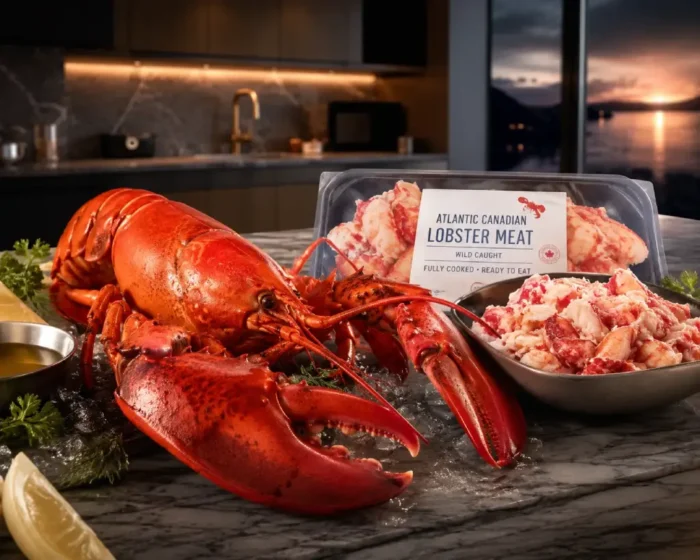
Atlantic Canadian Lobster India: The Gold Standard of Cold-Water Seafood
The demand for premium, cold-water seafood is reaching new heights in the luxury dining sector. At Passaro International, we specialize in the distribution and market growth of Atlantic Canadian Lobster India, bridging the gap between the pristine waters of the North Atlantic and the sophisticated palates of Indian consumers. Based in Chennai, we serve as the primary link for sourcing this world-class delicacy with uncompromising quality.
Harvested from the icy, pristine depths of the Northwest Atlantic (FAO 21), the Atlantic Canadian Lobster India (Homarus americanus) is globally revered as the “King of Seafood.” For culinary professionals and premium retailers in India, this species represents the pinnacle of luxury, sustainability, and flavor.
Passaro International: Your Gateway to the North Atlantic Canadian Lobster India
Navigating the complexities of international seafood trade requires a trusted local partner. Passaro International, headquartered in Chennai, India, is the official India Market Development Consultant for leading Atlantic Canadian seafood companies.
Under the leadership of Karthikeyan, Passaro International provides:
- Strategic Market Entry: Helping Canadian exporters navigate FSSAI regulations and Indian import customs.
- Supply Chain Logistics: Coordinating temperature-controlled air and sea freight to major Indian hubs like Mumbai, Delhi, and Bangalore.
- B2B Connectivity: Linking Canadian harvesters directly with India’s 5-star hotel chains, fine-dining restaurants, and gourmet distributors.
- Precision Logistics: Maintaining the 2°C Threshold. Shipping live seafood across 12,000 kilometers is a feat of engineering. The lobsters are placed into a state of “hibernation” using specialized cooling techniques. Passaro International ensures that the cold chain remains unbroken. From the moment the lobster leaves the Canadian grading facility to its arrival at an Indian flight kitchen, the temperature is monitored to stay between 2°C and 4°C. This precision ensures that when the lobster reaches a 5-star kitchen in India, it retains the same “ocean-fresh” vitality as the day it was caught.
The Anatomy of Quality: Pros and Cons of Atlantic Canadian Lobster India
The Pros: Why Chefs Demand Atlantic Canadian Lobster India
- Distinctive Sweetness: The freezing temperatures of the Atlantic slow the lobster’s growth, allowing the meat to develop a high concentration of natural sugars and amino acids.
- Hard-Shell Superiority: Canadian harvesters prioritize “Hard-Shell” lobsters. These have recently molted and filled their new shells with dense, firm meat, offering a significantly higher meat-to-shell ratio than “soft-shell” varieties.
- Sustainability & Traceability: Most Canadian lobster fisheries are MSC (Marine Stewardship Council) Certified. Advanced tagging systems allow buyers to trace a lobster back to the specific harvesting area (LFA).
- Versatile Culinary Forms: Beyond live shipments, it is available in High-Pressure Processed (HPP) raw meat, blanched whole-frozen, and specialty “Claw & Knuckle” (CK) packs.
- Why Hard-Shell Matters to the Indian Bottom Line In the lobster world, timing is everything. Atlantic Canadian lobsters are primarily harvested when their shells are rock-hard. For an importer in India, this isn’t just about aesthetics; it’s about survival and yield. Hard-shell lobsters have a lower water content inside the shell and a higher density of meat. Furthermore, they are much heartier travelers, boasting a significantly lower mortality rate during the long-haul flight from Halifax or Moncton to Chennai and Mumbai.
- A Sustainable Choice for the Future Modern Indian consumers and international hotel chains are increasingly demanding “Green” and “Blue” certified products. The Canadian lobster fishery is one of the most well-managed in the world, utilizing a “trap-only” method that prevents sea-floor damage. By choosing Atlantic Canadian seafood, Indian businesses are supporting a fishery that is MSC-certified, ensuring that this luxury resource is available for generations to come.
The Cons: Market Realities
- Logistical Sensitivity: Live lobsters require a precise 2°C–4°C environment. Any deviation in the cold chain can impact vitality.
- Variable Pricing: Market prices fluctuate based on seasonal “Landings” (harvest volume) and global demand, making it a high-volatility commodity.
- Skill Requirement: To minimize waste, kitchen staff must be trained in specialized extraction techniques for claws and knuckles.
Nutritional Profile (Per 100g of Cooked Meat)
Lobster is a “superfood” of the sea, offering high-density protein with minimal caloric impact.
| Nutrient | Amount | % Daily Value |
| Calories | 89 – 100 kcal | 5% |
| Protein | 19g – 21g | 40% |
| Total Fat | 0.5g – 1.0g | 1% |
| Omega-3 (EPA/DHA) | 280 mg | High |
| Selenium | 190% of DV | Critical Antioxidant |
| Vitamin B12 | 51% of DV | Brain Health |
Technical Specifications of Atlantic Canadian Lobster India
| Category | Specification |
| Harvest Regions | Nova Scotia, New Brunswick, Prince Edward Island, Newfoundland |
| Live Grading | Chix (450g), Quarters (500-600g), Selects (600-900g), Jumbos (1.3kg+) |
| Frozen Options | Whole Blanched in Brine, Raw Tails (3oz to 20oz), CK Meat |
| Certifications | CFIA Export Certificate, MSC Sustainable, FSSAI Compliant |
| Shelf Life | Frozen: 18-24 months at -18°C; Live: 48-72 hours post-arrival |
Culinary Innovation: Lobster in the Indian Context
While classic butter-poached lobster remains a staple, Atlantic Canadian Lobster is increasingly appearing in modern Indian fine dining:
- Lobster Malai Curry: The sweetness of the meat complements creamy coconut and mild turmeric bases.
- Tandoori Lobster Tails: Utilizing HPP (High-Pressure Processed) tails for a succulent, charred finish that retains moisture.
- Lobster Ghee Roast: A coastal Karnataka twist where the firm texture of the cold-water claw holds up perfectly against spicy masalas.
- Adapting a Global Icon to the Indian Palate While the world knows the “Thermidor” or the simple butter-poached tail, the Atlantic Canadian Lobster is uniquely suited for Indian culinary innovation. Its firm texture allows it to withstand the high heat of a Tandoor without disintegrating. The natural sweetness of the claw meat provides a perfect counterpoint to the acidity of a Goan Ambot Tik or the richness of a Chettinad pepper masala. For food processors, the consistency of Canadian lobster meat makes it the ideal candidate for premium, retort-processed gourmet seafood pouches.
Frequently Asked Questions (FAQ) about Atlantic Canadian Lobster India
How does Passaro International facilitate imports?
We act as the on-ground consultant in Chennai, managing the relationship between the Indian buyer and the Canadian exporter. We assist with documentation, market trends, and ensuring that the product specifications meet the local buyer’s needs.
What is HPP Lobster?
High-Pressure Processing (HPP) uses cold water under extreme pressure to detach the raw meat from the shell. This allows for 100% meat recovery and a “fresh-from-the-sea” texture even in a frozen format.
Is there a specific season for Canadian Lobster?
While different Lobster Fishing Areas (LFAs) have staggered seasons, the industry is structured to ensure a year-round supply. Peak seasons typically occur in late spring (May-June) and early winter (December).
How is the lobster packed for the flight to India?
Live lobsters are packed in specialized “Cloud Packs” or corrugated wax boxes with damp wood wool or seaweed and gel ice packs. They are kept in a dormant state to ensure a 98%+ survival rate upon arrival in cities like Chennai or Mumbai.
Passaro International
87, Babu Nagar III Main Road,
Medavakkam, Chennai 600100.
Tamilnadu, INDIA
+91 9962 002500
http://passarotrading.com
You may also be interested in this exporter of pre-seasoned-cast-iron-cookware.